Shaoxing Rice Wine
Introduction
Shaoxing rice wine, also known as Shaoxing jiu, is a type of traditional Chinese alcoholic beverage made from fermented rice. Originating from Shaoxing, a city in the Zhejiang province of China, this rice wine is renowned for its unique flavor, color, and aroma. Its history dates back over 2,000 years, and it is widely used in Chinese cuisine, both as a drink and a cooking ingredient.
History and Cultural Significance
The art of making Shaoxing rice wine has been passed down through generations, deeply ingrained in the cultural and historical heritage of the region. The city of Shaoxing is situated in a fertile area with a favorable climate for rice cultivation, which has contributed to the wine's development and popularity. Historically, Shaoxing rice wine was not only an important part of local culture but also a significant trade commodity. It has been used in various cultural rituals, celebrations, and as an offering to deities.
Shaoxing rice wine holds a special place during the celebration of traditional festivals, such as the solar term Start of Summer, which marks the start of summer in the Chinese calendar. During this time, sweet rice wine is traditionally consumed warm with a beaten egg and sweet-scented osmanthus flowers, embodying a poetic and romantic aspect of the festival. The wine is also associated with health and vitality, as it is believed to have beneficial properties.
Production Process
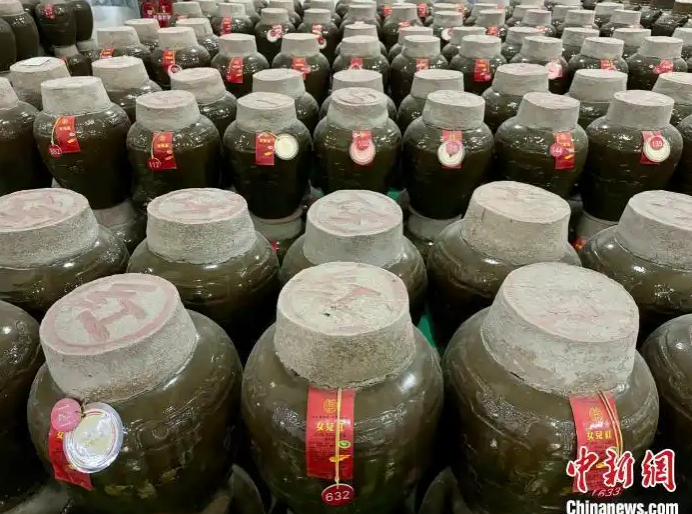
The production of Shaoxing rice wine involves a meticulous process that highlights the craftsmanship and expertise of local brewers. The key ingredients include glutinous rice, water, and wheat-based yeast. The process begins with soaking the rice, which is then steamed and mixed with the yeast. This mixture is left to ferment in clay vats, often buried underground to maintain a stable temperature. The fermentation process can last from several months to several years, resulting in a rich, amber-colored wine.
Aging is a crucial aspect of Shaoxing rice wine production. The wine's flavor and aroma mature over time, with older wines being highly prized for their depth and complexity. The aging process can vary, with some wines being stored for decades to achieve the desired taste profile.
Characteristics and Varieties
Shaoxing rice wine is characterized by its amber hue, complex aroma, and a mellow yet robust flavor. Its taste is a harmonious blend of sweetness, umami, and a slight acidity, making it versatile both as a beverage and a culinary ingredient. The wine's unique characteristics are attributed to the specific natural environment of Shaoxing, including its water quality and climate.
Several varieties of Shaoxing rice wine are available, each with distinct characteristics. Some popular types include:
Hua Diao (Flower Carved Wine): Known for its floral aroma, Hua Diao is often used in cooking as well as for ceremonial purposes.
Nyu Er Hong (Daughter Red Wine): Traditionally made when a daughter is born and stored until her wedding, this wine symbolizes good fortune and happiness.
Shang Jiu: A higher-grade variety that is aged for a longer period, offering a more refined taste and complexity.
Culinary Uses
Shaoxing rice wine is an indispensable component in Chinese cooking, imparting depth and richness to dishes. It is commonly used in marinades, sauces, and soups, enhancing the flavor of meats, seafood, and vegetables. Iconic Chinese dishes such as "Drunken Chicken" and "Red-Cooked Pork" rely on the wine's unique properties to achieve their authentic taste.
The wine is also used to tenderize meats and eliminate unwanted odors, making it a popular choice in preparing fish and other seafood. Additionally, its sweet and umami notes pair well with various spices and herbs, complementing diverse culinary styles. Photo Gallery(2 pictures)CategoriesLifestyleTagFood CultureCatalogue1. Introduction2. History and Cultural Significance3. Production Process4. Characteristics and Varieties5. Culinary Uses- - - []








